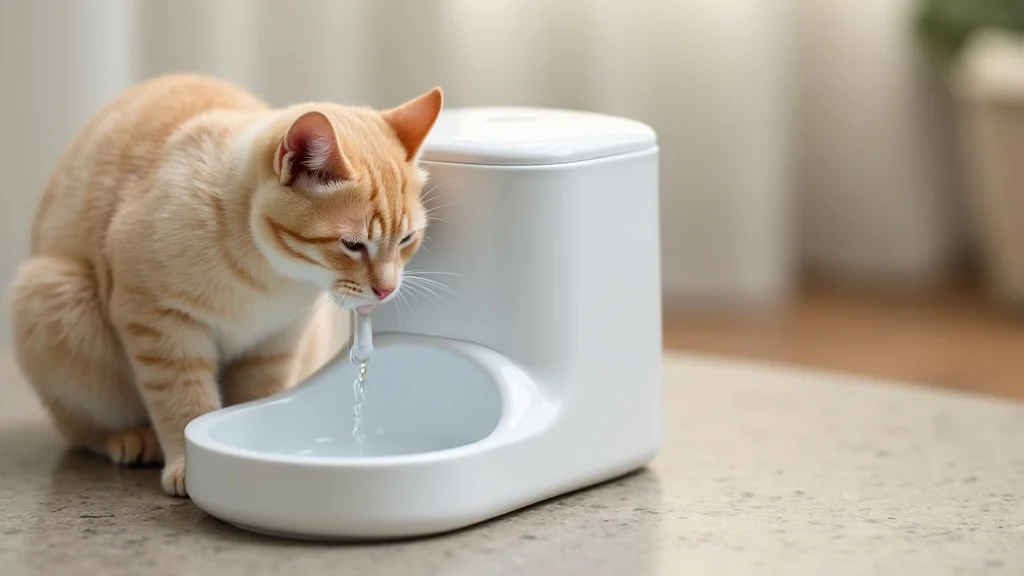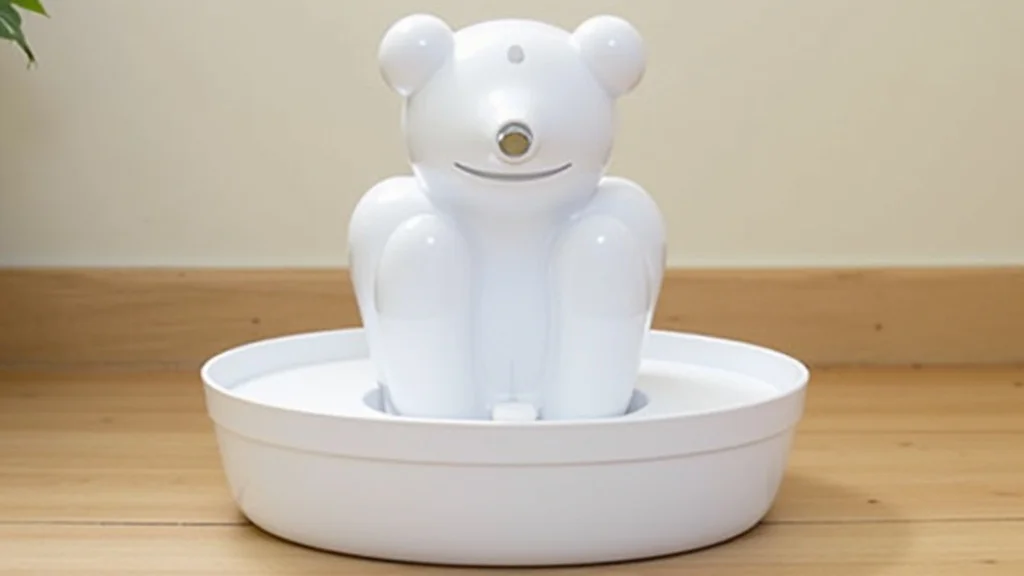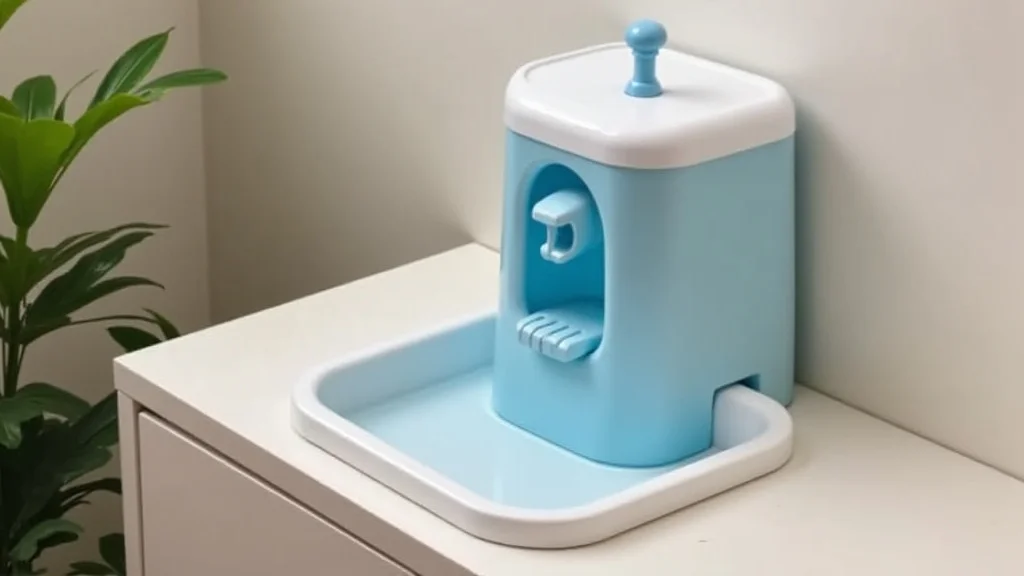
Picture this: it’s a hot afternoon, and your furry friend looks longingly at their water bowl, which is now lukewarm and a bit stale. Does this scenario sound familiar? Keeping your pet hydrated is super important, and a pet water fountain can be a game changer. This guide will walk you through everything you need to know about pet water fountain petsmart options, from picking the best one for your pet’s needs to maintaining it and all of the benefits! Get ready to explore the best ways to keep your pet happy and healthy with a constant supply of fresh, filtered water. This information will help you choose the right fountain and make sure your pet stays hydrated.
Key Takeaways
- Pet water fountains provide a continuous supply of fresh, filtered water, encouraging pets to drink more.
- There are a variety of pet water fountains available at PetSmart, including those made from plastic, stainless steel, and ceramic.
- Knowing your pet’s size, drinking habits, and any specific needs will help you choose the ideal fountain.
- Regular cleaning is essential to keep the fountain working correctly and prevent bacteria growth.
- Fountains can improve your pet’s health and happiness by keeping them hydrated.
Why Choose a Pet Water Fountain?
Traditional water bowls can quickly become unappealing to pets. They can collect hair, dust, and other debris, making the water taste and smell less fresh. A pet water fountain addresses these issues by circulating and filtering the water, which helps remove impurities and keeps it cool. This encourages pets to drink more water, which is essential for their overall well-being. Increased water intake can lead to better kidney function, improved digestion, and healthier skin and coat. This is one of the main reasons that more pet parents are choosing to invest in a pet fountain. The constant movement of water also appeals to a pet’s natural instincts, as running water is often perceived as cleaner and safer than still water.
Benefits of Fresh, Flowing Water
The core benefit of a pet water fountain is its ability to offer a steady supply of clean, fresh water. Pets are often drawn to moving water because it’s oxygenated and tastes better than stagnant water. The filtering system removes impurities, like hair and food particles, improving the water’s taste and potentially reducing the chances of your pet developing urinary tract problems. Some fountains even include features that prevent bacteria growth. The constant circulation also helps to prevent the buildup of slime and other unhealthy substances that can form in a still water bowl. By providing water that tastes and smells great, you encourage your pet to stay hydrated and support their overall health.
- Improved Hydration: Encourages pets to drink more, preventing dehydration and related health issues.
- Better Taste and Freshness: Filters remove impurities, offering cleaner and better-tasting water.
- Healthier Pet: Helps to improve kidney function and prevent urinary problems.
- Reduces Bacteria Growth: The continuous water circulation helps prevent the buildup of bacteria.
Fountains provide a continuous source of fresh, flowing water, which is often more appealing to pets than still water in a bowl. This increased appeal encourages them to drink more, which is crucial for maintaining proper hydration levels. Hydration is key to healthy organ function, good digestion, and overall well-being. A pet that drinks enough water will have fewer problems with their kidneys and urinary tract.
Many fountains have filters that take out impurities like hair, food particles, and sediment. This filtering system makes the water taste better, making it more appealing to your pet. Clean water is also important for reducing potential health issues. Better-tasting water means your pet will drink more. By providing fresh, filtered water, you are ensuring a healthier and happier pet.
The constant water flow in a fountain is good for your pet’s health. Hydration is vital for healthy organ function, particularly the kidneys. Regularly drinking sufficient water helps flush out toxins and supports the kidneys in their job of filtering waste from the bloodstream. Adequate water intake also reduces the chances of crystals forming in your pet’s urine. This can cut down on urinary tract problems.
The flowing water in a fountain prevents stagnant water from becoming a breeding ground for bacteria. This helps keep the water clean and minimizes the risk of your pet developing infections from drinking from contaminated water. Many fountains also have features, like UV sanitization, to further prevent bacterial growth. Regular cleaning is still vital, but the fountain’s design reduces the chances of contamination. It is very important to clean the pet fountain regularly, but the circulation helps to keep the water fresher for longer.
Types of Pet Water Fountains Available at PetSmart
PetSmart offers a variety of pet water fountain options, catering to various pet sizes, preferences, and aesthetic tastes. These fountains are made from different materials, each with unique advantages. Understanding the types available can help you pick the best one for your pet. Considering factors such as ease of cleaning, durability, and your pet’s drinking habits can make your choice even easier. The many types available means there is one to suit all pet owners and their pet’s needs.
- Plastic Fountains: Affordable and lightweight, ideal for small to medium-sized pets.
- Stainless Steel Fountains: Durable, hygienic, and often dishwasher-safe; a great choice for pets with allergies.
- Ceramic Fountains: Stylish and often come in unique designs; the non-porous surface is also hygienic.
- Multi-Tier Fountains: Feature different levels for pets with varying drinking preferences.
Plastic fountains are a popular choice due to their budget-friendly price point and ease of use. They’re typically lightweight and easy to clean, making them a great choice for busy pet owners. Plastic fountains come in various designs and colors to match your home decor. However, you should inspect them for wear and tear and replace them as needed to ensure the plastic doesn’t become a breeding ground for bacteria. Choose a high-quality, BPA-free plastic to keep your pet safe.
Stainless steel fountains are very durable and resistant to scratches and bacteria growth. Their smooth surfaces make them easy to clean and sanitize. Stainless steel is also a good option for pets with allergies or sensitivities, as it is non-porous and won’t absorb odors or flavors. Many stainless steel fountains are dishwasher-safe, which makes cleaning even easier. Although stainless steel fountains might have a higher initial cost, they usually last longer and require less replacement than plastic models.
Ceramic fountains offer a beautiful design, blending nicely with any home’s decor. Ceramic is also a non-porous material, which prevents bacteria from growing. These fountains can be heavier than plastic options, which can make them less likely to tip over. Be careful of chipping the fountain. They often come in stunning designs. These fountains are a stylish and safe way to provide your pet with fresh water.
Multi-tier fountains provide multiple drinking levels, which are especially helpful for households with multiple pets or pets with different drinking habits. The different levels can encourage pets to drink more, and they also add visual interest. These fountains often include a ramp or ledge for pets who don’t like to drink directly from the water stream. Some also have a large water capacity, which means less frequent refills. Multi-tier fountains can keep all your pets hydrated.
Choosing the Right Pet Water Fountain at PetSmart
Choosing the right pet water fountain petsmart selection involves considering your pet’s size, drinking habits, and any special needs or preferences. For instance, a small cat might need a different fountain than a large dog. You must also think about the fountain’s capacity, how easy it is to clean, and the materials it’s made from. By considering these factors, you can make a choice that will keep your pet happily hydrated. It is always a good idea to consider your pet’s individual needs.
Factors to Consider Before You Purchase
Before purchasing a pet water fountain petsmart has available, it is vital to reflect on several factors. These considerations guarantee you select a fountain that matches your pet’s needs and your personal lifestyle. This will ensure your pet will make the most of the purchase and ensure a long-lasting fountain. Consider these aspects to make a smart buying decision. Consider these aspects to make a smart buying decision.
- Pet Size and Breed: Choose a fountain size and design that suits your pet’s dimensions and drinking habits.
- Drinking Habits and Preferences: Observe your pet’s drinking style; some pets prefer still water, while others like moving water.
- Material and Durability: Opt for materials like stainless steel or ceramic for durability, hygiene, and ease of cleaning.
- Filtration System: Check the filter type and ease of replacement; carbon filters remove impurities.
The size and breed of your pet greatly influence the fountain you need. Small cats and dogs might do well with a compact fountain, while larger breeds need a fountain with a bigger capacity to prevent the need for frequent refills. Think about the height of the drinking area, making sure it is easily accessible and comfortable for your pet to use. Consider any specific preferences your pet might have, such as liking a gentle stream versus a bubbling fountain.
Watch your pet’s current drinking habits. Does your pet prefer to drink from a running faucet or a still bowl? If they enjoy moving water, a fountain with a flowing stream will be perfect. If your pet is more cautious, you may need a fountain with a gentler flow or a wider drinking area. Pay attention to how your pet interacts with water, and choose a fountain that meets those preferences. Some pets like to splash in the water, so consider a design that helps keep the water contained.
The material of the fountain affects its durability, hygiene, and ease of cleaning. Stainless steel fountains are very durable and easy to keep clean. Ceramic fountains are stylish and non-porous, reducing bacteria growth. Plastic fountains are often more budget-friendly. Evaluate how often you’re ready to clean the fountain, and consider if you have pets that might chew on the fountain. These factors help decide the most appropriate material. Durability is a key factor, as you want the fountain to last for a long time.
A good filtration system is a key feature of a water fountain. Carbon filters are great for removing impurities, bad tastes, and odors from the water, which helps in keeping it fresh and appealing. Consider the cost of replacement filters and how simple it is to get them. Regular filter replacement is essential for keeping the water clean and the fountain working properly. Check the filter’s effectiveness and how long it lasts before it needs to be replaced.
Matching the Fountain to Your Pet’s Needs
Every pet is unique, and matching the right pet water fountain petsmart to your pet’s specific needs will improve their drinking experience. For example, a cat might prefer a fountain with a higher drinking surface, while a dog might prefer one with a larger capacity. Consider your pet’s breed and their drinking habits to get the perfect match. This individual approach guarantees the fountain enhances your pet’s hydration and overall well-being. Finding the correct fountain requires matching it with your pet’s unique character.
- Cats: Cats may like fountains with a higher drinking surface or a gently flowing stream.
- Dogs: Dogs usually need fountains with a larger capacity, especially if they are a large breed.
- Multi-Pet Households: Consider fountains with multiple drinking areas or a larger capacity to suit all pets.
- Senior Pets: Choose fountains that are easy to access and may have a gentle flow.
Cats are known for their preferences. Many cats prefer drinking from fountains with a higher surface. They often enjoy the sound of running water, which is more appealing to them than still water. Choose a fountain that suits these preferences to ensure your cat drinks plenty. Some cats can be sensitive to the sensation of water touching their whiskers, so look for designs that create a less restrictive drinking experience. Choose a design that offers a comfortable, accessible drinking area.
Dogs, particularly bigger breeds, require fountains with a large capacity to make sure they always have access to fresh water. A larger capacity reduces the number of times you must refill the fountain. Dogs may also be less picky about the fountain design, but be sure the drinking area is at a comfortable height for them to drink easily. A durable and stable fountain is important, as dogs can be a bit rougher in their interactions. Make sure the fountain has good stability.
If you have multiple pets, pick a fountain that can meet all their needs. Fountains with multiple drinking areas or a larger water capacity are good for multi-pet households. This makes sure all your pets have easy access to water. Also, you must think about the personalities of your pets. If some pets are more dominant, a fountain with separate drinking areas will stop them from competing. Consider the combined size and drinking habits of all your pets to choose a fountain that works for everyone.
Senior pets may need fountains that are easier to access and use. A fountain with a low profile is helpful. The design should offer easy access, so it does not cause problems for your pet. Choose a fountain with a gentle water flow, as they can sometimes struggle with strong streams. Always make sure the fountain is easy to clean and maintain, as this will help you keep it sanitary. Make sure the water level is easy for your senior pet to reach.
Maintenance and Cleaning of Your Pet Water Fountain
Keeping your pet water fountain petsmart provides clean and fresh water requires consistent maintenance and cleaning. Following a routine cleaning schedule guarantees the fountain’s efficiency and your pet’s health and safety. Cleaning your fountain regularly helps prevent the growth of bacteria and other contaminants. Regular maintenance is a key component to making the most of your pet water fountain. Following these practices maintains its usefulness.
Step-by-Step Cleaning Guide
Keeping your pet’s water fountain clean is not a tough task, if you follow some easy guidelines. Consistent cleaning keeps the water fresh, and extends the life of the fountain. This step-by-step cleaning guide offers clear directions to keep your fountain clean and working well. Doing these simple steps guarantees your pet always has access to clean and healthy water. Regular cleaning is a core component of pet fountain maintenance.
- Disassemble the Fountain: Take apart the fountain, removing all parts like the pump, filters, and any other removable components.
- Rinse All Parts: Rinse each part of the fountain with water to get rid of loose debris and hair.
- Wash with Soap: Wash the fountain and all its parts with warm, soapy water. Use a pet-safe soap.
- Rinse Thoroughly: Rinse all parts well, ensuring all traces of soap are gone. Soap residue could affect water taste.
- Clean the Pump: Take apart and clean the pump, removing any hair or debris that could be hindering its operation.
- Replace the Filter: Change the filter according to the instructions, usually every 2-4 weeks, depending on the fountain.
- Reassemble and Refill: Put the fountain back together and refill with fresh, clean water.
Start by unplugging the fountain and taking it apart. This means removing all the parts: the pump, filters, and any other removable parts. Follow the instructions that came with your fountain. Putting all the parts separately makes it easy to clean each one well. This also gives you a good chance to check each piece for wear and tear.
After taking the fountain apart, rinse each part to remove loose hair, debris, and any food particles. This first rinse helps make it easier to clean everything. Use warm water to help loosen any buildup. Make sure you rinse every part. This initial rinse will save you time later, when you do a deeper clean.
Use a pet-safe soap and warm water to wash every part of the fountain. Pay attention to all surfaces, and make sure you clean the pump, filters, and any crevices. Soapy water helps get rid of bacteria and any sticky residue. Using a pet-safe soap will ensure that your pet stays safe. Make sure you rinse off all the soap, as residue can impact the water taste.
After washing, rinse every part of the fountain completely to remove all traces of soap. Leftover soap can make the water taste bad, and it could also bother your pet. Rinse the fountain and all its parts thoroughly under running water until all soap bubbles are gone. Check all surfaces and crevices to ensure all traces of soap are removed. Doing this guarantees that the water will be clean and appealing to your pet.
The pump is one of the most important parts of the fountain. Over time, hair and debris can build up in the pump. Take the pump apart and clean all the parts. This will keep the water flowing. Check the instructions for taking apart your pump. Removing hair and any other debris will make the pump work more efficiently. By keeping the pump clean, the fountain will work better and last longer.
The filter is important for removing impurities and keeping the water clean. Change the filter regularly, depending on the instructions. The filters usually need to be replaced every 2-4 weeks, but this can vary depending on your fountain. Replacing the filter often keeps the water clean and helps your pet stay healthy. New filters are key to ensuring the fountain operates efficiently.
Once all parts have been cleaned and the filter
Cleaning Frequency and Tips
Regular cleaning is vital for maintaining a clean and functional pet water fountain petsmart provides. How often you must clean it depends on your pet’s use, the fountain’s design, and the local conditions. Following these cleaning tips guarantees your pet has access to clean and healthy water. Regular cleaning maintains the fountain’s performance. Doing these procedures is vital for keeping your pet safe.
- Daily: Refill the water daily, and check for any debris.
- Weekly: Clean the fountain’s body and all removable components with pet-safe soap.
- Monthly: Do a deeper clean of the pump and inspect all the parts for wear and tear.
- Location: Put your fountain away from direct sunlight, which promotes bacteria growth.
- Water Quality: Use filtered water whenever possible, which will reduce the buildup of mineral deposits.
Each day, refill the fountain with fresh, clean water. As you do, check for any visible debris, such as hair or food particles, and eliminate them. This daily action keeps the water fresh and helps in preventing the buildup of bacteria and other contaminants. Regular refills also encourage your pet to drink more, since they always have fresh water.
Each week, do a more thorough cleaning of the fountain, including all of its removable parts. Wash the fountain, the pump, and any other parts with pet-safe soap and warm water. This cleaning frequency helps remove any potential bacteria and residue. Washing weekly can prevent issues and will maintain the water’s taste and quality. Consistent cleaning will ensure it always provides clean water for your pet.
Once per month, provide a deep cleaning for the pump. This will make certain it is operating properly. Look for any wear and tear on the fountain parts, such as cracks or damage. Replacing or repairing any parts will help maintain the fountain’s lifespan. By doing this monthly check, you can avoid any problems and keep the fountain working well. This routine maintenance will allow the fountain to continue providing your pet with fresh water.
Place your pet water fountain in a location away from direct sunlight. Sunlight can promote bacteria and algae growth in the water, which can contaminate it. Place the fountain in a shady and cool place, which will maintain the water’s quality. This practice helps to keep the water fresh and reduces the frequency of cleaning needed. Also, make sure the fountain is located in a place where your pet feels comfortable, and can easily access the water.
Use filtered water for your pet’s fountain. This will help reduce the buildup of mineral deposits in the fountain and on the filter. Using filtered water improves the water’s taste and purity. It also decreases the need for frequent cleaning. This practice improves the health of your pet, as well as the fountain’s performance and lifespan.
Common Myths Debunked
Myth 1: Pet water fountains are always hard to clean.
In truth, the difficulty of cleaning a pet water fountain depends on its design and material. Most fountains can be disassembled and cleaned with ease, following a basic cleaning routine. Fountains made from stainless steel or ceramic are generally very easy to clean and often dishwasher-safe. By choosing a fountain with a simple design, you can make the cleaning process quick and straightforward. Regular maintenance prevents the buildup of bacteria and residue, which can make cleaning tougher.
Myth 2: Fountains aren’t as effective as a regular water bowl.
That is incorrect! Pet water fountains are often more effective than traditional bowls for several reasons. They give a constant supply of fresh, filtered water, which encourages pets to drink more and keeps the water from becoming stagnant. The circulating water is more appealing to pets, drawing them to drink more. Fountains can help in improving your pet’s hydration and offer a much healthier water source compared to still water.
Myth 3: All fountains use the same type of filtration.
This is false. Pet water fountains offer various filtration systems. Some fountains use carbon filters to remove impurities, odors, and bad tastes from the water. Other fountains use filters made with multiple layers or materials. The quality of the filter and the materials used also matter, and must be taken into account when you are deciding which one to purchase. Regular filter replacement helps guarantee that your pet always has access to clean, healthy water.
Myth 4: Fountains are only for cats.
This is a misunderstanding. Pet water fountains are for both cats and dogs. While cats are often very fond of running water, dogs benefit from fountains too, especially if they are picky about their water. The benefits, like improved hydration and cleaner water, can benefit any pet. The market has many different sizes and styles of fountains that meet the needs of all types of pets.
Myth 5: Plastic fountains are dangerous for pets.
The safety of a plastic fountain depends on the quality of the plastic used. Fountains made from BPA-free, food-grade plastic are safe. Plastic fountains are usually more affordable and lighter, making them an excellent choice for some pet owners. Still, it is important to check the plastic regularly and change the fountain if it shows signs of wear and tear, to prevent bacteria buildup. Always pick a high-quality, non-toxic plastic for your pet’s safety.
Frequently Asked Questions
Question: How often should I clean my pet water fountain?
Answer: It’s best to clean the fountain and all of its parts weekly, and to do a deeper cleaning and pump inspection monthly. Replace the filter as directed, typically every 2-4 weeks.
Question: What type of water should I use in a pet water fountain?
Answer: Use filtered water whenever possible, as it minimizes the buildup of mineral deposits. Tap water can also be used, but filtered water is generally better.
Question: Are pet water fountains noisy?
Answer: Most fountains are designed to be quiet. However, some models may have a slight humming sound. Check the product descriptions and reviews to get an idea of the noise level.
Question: How can I tell if my pet is drinking enough water?
Answer: Watch for signs of dehydration, like decreased appetite, lethargy, or dry nose and gums. Monitoring how often your pet drinks from their fountain also offers some insight.
Question: What should I do if my pet is afraid of the fountain?
Answer: Slowly introduce the fountain. Place it near their usual water bowl, and let them get used to the sound. You can also turn off the fountain until they are comfortable.
Final Thoughts
Selecting the right pet water fountain petsmart offers a lot of benefits for your beloved companion, providing them with a constant source of fresh, filtered water. These fountains are available in different types, materials, and designs, so you can find one that fits your pet’s size, preferences, and your own aesthetic tastes. Regular maintenance is key to keeping your fountain working well, and guarantees your pet stays hydrated and healthy. By choosing the best fountain and keeping it clean, you are taking a crucial step in improving your pet’s quality of life. Consider your pet’s specific needs, and choose a fountain that will bring them joy and keep them healthy.