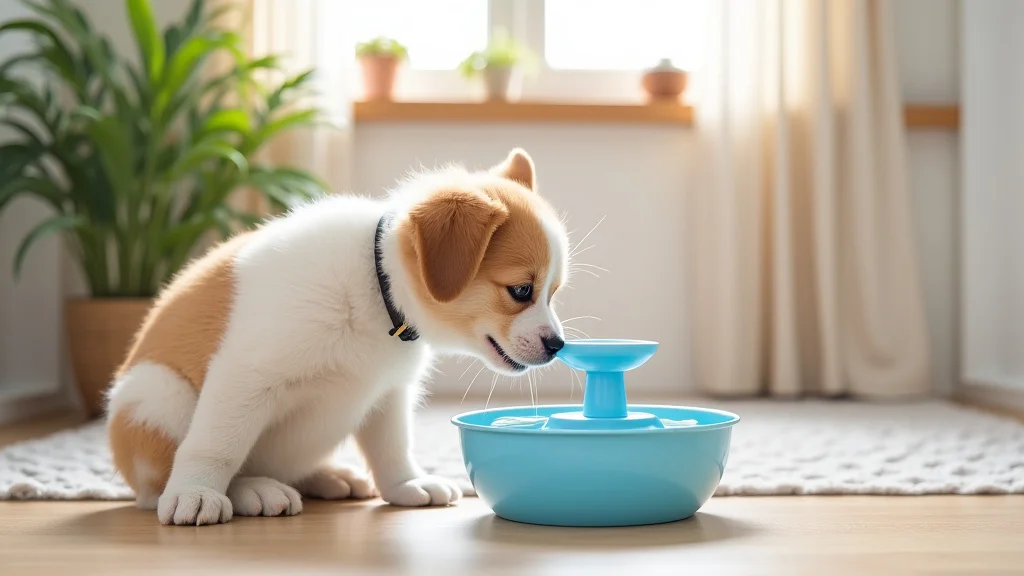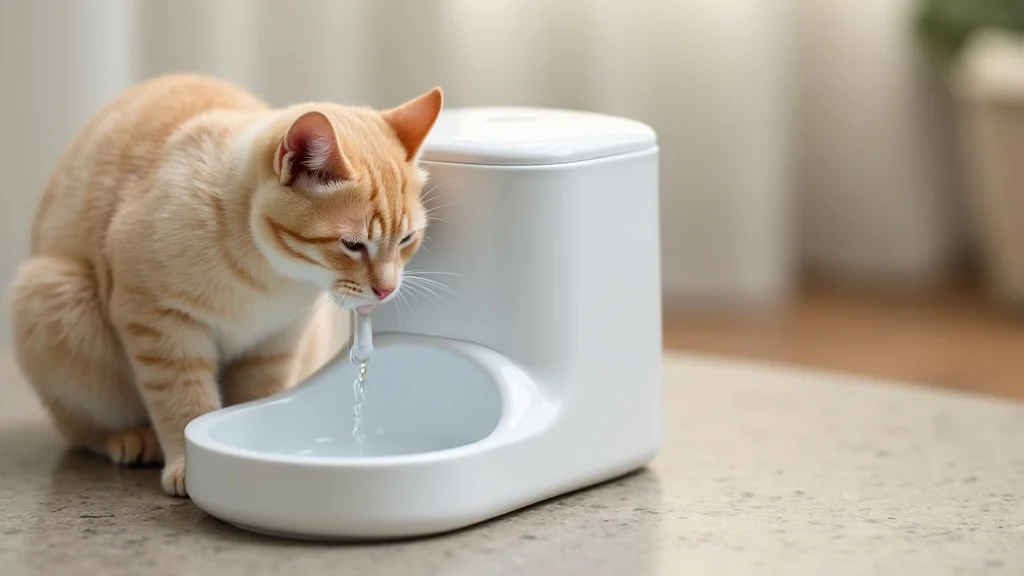
Picture this: You’re enjoying a relaxing evening, and your feline friend pads over, looking thirsty. You fill their water bowl, but they’re just not interested. Maybe they prefer a running tap? That’s where a pet drinking fountain cat becomes a lifesaver! Many cats struggle to drink enough water, which can lead to health issues. This guide will explore everything you need to know about these fantastic devices, helping you choose the best one for your furry companion and ensuring they stay hydrated and healthy. You’ll gain practical advice to keep your cat’s water fresh and flowing. Get ready to improve your cat’s health and happiness!
Key Takeaways
- Pet drinking fountains encourage cats to drink more water by providing fresh, flowing water.
- Different types of fountains offer various features, from basic models to those with advanced filtration.
- Selecting the right fountain depends on your cat’s preferences and your lifestyle.
- Regular maintenance, including cleaning and filter replacement, is essential for optimal performance.
- Benefits of fountains range from improved hydration to enhanced kidney health.
- Addressing common issues and selecting a quality model ensures long-term feline well-being.
Why Your Cat Needs a Pet Drinking Fountain
Cats are naturally drawn to moving water. In the wild, they instinctively understand that flowing water is less likely to be contaminated. Stagnant water, on the other hand, can harbor bacteria. This is why many cats prefer drinking from the faucet or even the toilet (though the latter is not recommended!). A pet drinking fountain cat simulates this natural preference. These fountains provide a constant flow of fresh, filtered water, which encourages your cat to drink more.
Many cats don’t drink enough water from a still bowl. This can lead to a host of health troubles, like kidney disease and urinary tract infections. By using a fountain, you’re boosting their water intake and supporting their overall well-being. Increased water consumption helps flush out their system, which is great for their kidneys. The constant flow keeps the water fresh, preventing stale water from discouraging them.
The Benefits of Flowing Water
The primary advantage of a pet drinking fountain cat is that it stimulates a cat’s instinct to drink. The moving water attracts their attention, and the sound of the flowing water appeals to their senses. This is particularly helpful for cats who might be picky eaters or have underlying health concerns. It ensures they get the necessary hydration they need for optimal function.
- Increased Water Intake: The most immediate benefit is that cats tend to drink more water from a fountain than a still bowl, combating dehydration issues.
- Improved Kidney Health: Adequate hydration is crucial for kidney function, and fountains aid in flushing out the system.
- Reduced Urinary Tract Issues: Staying hydrated prevents the concentration of urine, helping to avoid urinary tract problems.
- Fresh and Clean Water: Fountains often have filters that remove impurities, providing cleaner water than a simple bowl.
Cat Drinking Fountain Styles
There is a variety of styles, from basic, gravity-fed designs to electric fountains with multiple features. Your choice depends on your budget, cat’s preferences, and your own lifestyle. Some fountains are made of plastic, while others are ceramic or stainless steel. Each material offers a unique set of pros and cons regarding durability and cleaning.
Consider the noise level. Some cats are sensitive to sounds, so a quiet fountain is best. Think about how easy it will be to clean. Models with simple designs are generally easier to disassemble and clean. Finally, consider whether your cat has a preference for a bubbler-style fountain or a flowing stream.
Choosing the Best Pet Drinking Fountain for Your Cat
Selecting the right fountain involves evaluating several features, from the fountain’s material and size to the filter type and ease of cleaning. Consider your cat’s personality and any special needs they might have. Some cats are playful and might enjoy a fountain with a ramp or a feature where water streams in different directions. Others are more reserved and may prefer a quieter, simpler design.
Read product reviews from other cat owners. Look for comments about the fountain’s durability, noise level, and ease of cleaning. Consider the replacement cost of filters. A fountain is an investment, so you want to ensure it will last and be easy to maintain. Your goal is a fountain your cat loves to use and is simple for you to care for.
Material Matters
The fountain’s material impacts its durability, hygiene, and aesthetic appeal. Plastic fountains are generally the most affordable option. However, they may be less durable and can absorb odors over time. Ceramic fountains are stylish and easier to clean. They also provide a cooler surface for the water. Stainless steel fountains are very durable, easy to clean, and resistant to bacteria.
- Plastic: Affordable, lightweight, and available in various designs. Be sure to select food-grade and BPA-free plastic.
- Ceramic: Stylish, easy to clean, and dishwasher-safe. Some can chip or crack if dropped.
- Stainless Steel: Highly durable, resists bacteria, and looks sleek.
Filtration and Features
A good filtration system is essential for maintaining water quality. Most fountains have a filter that removes hair, debris, and impurities. Some fountains also include activated carbon filters to remove odors and improve taste. Consider a fountain with multiple filters for the best water purification. Some fountains also have features such as adjustable water flow or LED lights.
Make sure the fountain’s water capacity meets your cat’s needs. If you have multiple cats or a cat that drinks a lot of water, you will need a larger fountain. Choose a fountain that’s easy to disassemble for cleaning. A pump that’s easy to take apart is a must, as it’s essential to prevent a build-up of gunk. These factors will ensure a fountain that works well for your cat and for you.
Setting Up and Maintaining Your Cat Fountain
Once you’ve chosen a fountain, setting it up correctly and maintaining it regularly is critical for optimal performance. Place the fountain in a location where your cat feels safe and comfortable, such as a spot away from high-traffic areas. Make sure there’s an electrical outlet nearby if you have an electric fountain. Then, you need to rinse all parts of the fountain thoroughly. Assemble it according to the manufacturer’s instructions.
Introduce the fountain to your cat gradually. You can place the fountain next to their existing water bowl. Let them explore it at their own pace. Encourage them by adding a small amount of their favorite treat to the water. Some cats may be wary at first, but most will become accustomed to it quickly. Regular upkeep ensures your cat always has access to fresh, clean water.
Cleaning Your Pet Drinking Fountain
Regular cleaning is a must to keep the fountain running efficiently and to prevent the buildup of bacteria and grime. You should clean your fountain at least once a week. Disassemble the fountain and wash all the parts, including the pump, with warm, soapy water. Rinse all parts thoroughly to remove all traces of soap. Never use harsh chemicals or abrasive cleaners.
The filter should be
Troubleshooting Common Issues
Even with the best care, you might encounter issues with your fountain. One common problem is a noisy pump. This often indicates the water level is too low or that the pump needs to be cleaned. If the pump is making noise, turn off the fountain, check the water level, and clean the pump. If your cat stops using the fountain, it might need to be cleaned or the filter may need replacing. A fountain that suddenly stops working may have a clogged pump.
If you have any questions or are not sure what the source of the problem is, review the manufacturer’s instructions or contact their customer service for support. Most problems are easily resolved with regular maintenance and attention. By addressing any problems quickly, you can ensure your cat continues to enjoy fresh, clean water.
Common Myths Debunked
Myth 1: Cat fountains are a waste of money.
In reality, fountains can be a valuable investment in your cat’s health. They encourage increased water intake, which can prevent kidney problems and urinary tract infections. While the initial cost of a fountain is a one-time expense, you may save money on vet bills. The benefits to your cat’s health far outweigh the cost.
Myth 2: Cats do not need a fountain if they already have a water bowl.
Most cats are not drinking enough from water bowls, and many prefer moving water. A fountain provides a constant flow of fresh water, which will often encourage your cat to drink more. This is particularly helpful for picky cats or those that avoid drinking water in general. Using a fountain can help provide adequate hydration.
Myth 3: Cleaning a fountain is difficult and time-consuming.
While the initial assembly may require some time, the routine cleaning can be done relatively quickly. Most fountains are simple to disassemble and clean. Washing the parts with soap and water once a week, along with regular filter changes, is usually all that’s needed. The health benefits of proper hydration more than justify the time.
Myth 4: Fountains are only for cats with health problems.
Healthy cats can benefit from a fountain too. Adequate hydration is important for all cats. Fountains encourage all cats to drink more, leading to better overall health and helping to prevent future problems. The advantages are great for cats of all ages and health conditions.
Myth 5: All fountains are the same, so the cheapest one is best.
Fountains vary greatly in quality and features, so the cheapest model may not be the best choice. Consider factors such as the material, filtration, ease of cleaning, and noise level. A fountain that suits your cat’s needs and preferences ensures it will be used often. Investing a bit more for a quality fountain is a great decision.
Frequently Asked Questions
Question: How often should I clean my cat’s water fountain?
Answer: It’s best to clean the fountain at least once a week. This includes disassembling the parts, washing them with soap and water, and rinsing them thoroughly. More frequent cleaning may be needed if your cat is messy with food or the fountain shows signs of build-up.
Question: How frequently should I replace the filter in my cat’s fountain?
Answer: Replace the filter according to the manufacturer’s instructions, usually every 2-4 weeks. If the water quality diminishes or if your cat is messy, you may need to replace it more often.
Question: My cat is afraid of the fountain. What should I do?
Answer: Introduce the fountain gradually. Place it next to your cat’s existing water bowl and let them explore it at their own pace. Encourage them by adding a small amount of their favorite treat to the water. Some cats need a little time to get used to the fountain.
Question: What type of water should I use in the fountain?
Answer: Use fresh, filtered water in your cat’s fountain. Avoid tap water, which can contain minerals and impurities that could clog the pump or cause build-up. Distilled water is also not recommended, as it lacks minerals that can contribute to your cat’s hydration.
Question: How do I know if my cat is drinking enough water?
Answer: If you’re concerned about your cat’s water intake, watch for signs of dehydration, such as constipation, lethargy, or decreased appetite. Consult your vet if you’re concerned, and use a fountain to encourage more water consumption.
Final Thoughts
A pet drinking fountain cat is an easy upgrade to enhance your feline’s life. These devices provide fresh, flowing water, attracting even the pickiest drinkers. You now know that selecting the right fountain, cleaning it regularly, and changing the filters are key to your cat’s well-being. By giving your cat a fountain, you’re investing in their health and happiness. Ensure your feline companion has plenty of water and encourage them to drink more! It’s a simple change that can lead to big improvements in their health and vitality. Provide your cat with fresh, clean water, and they’ll love you for it.