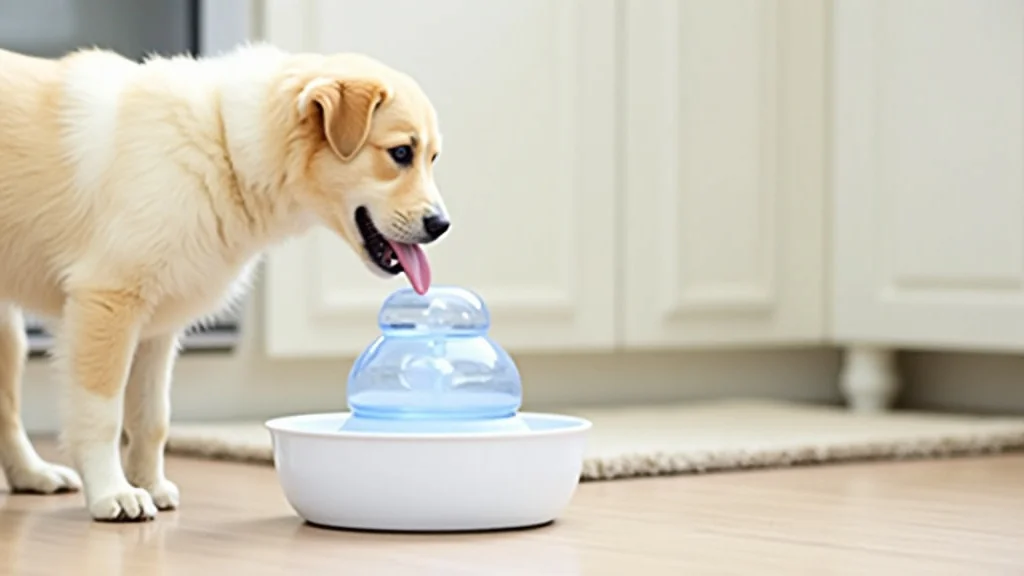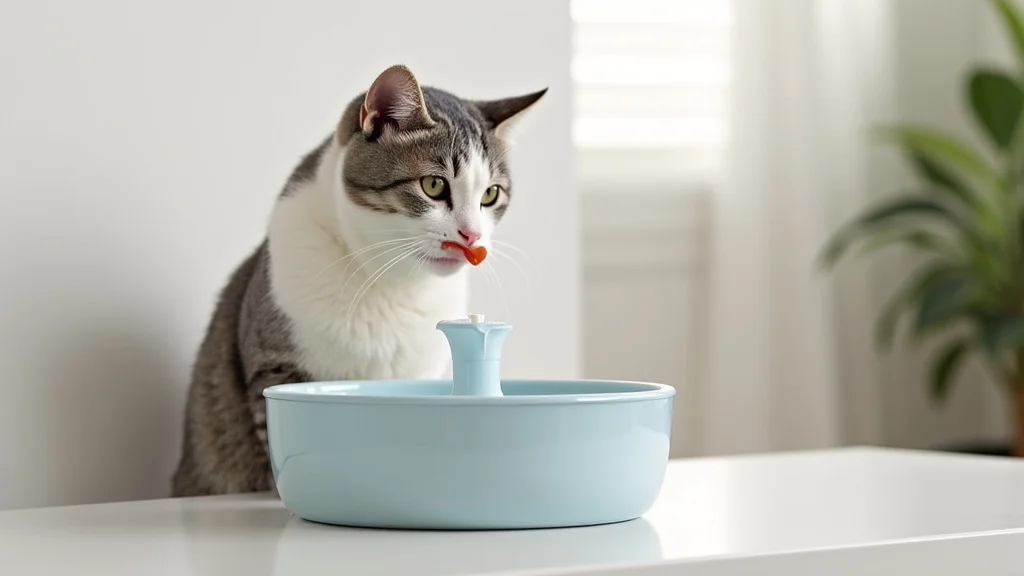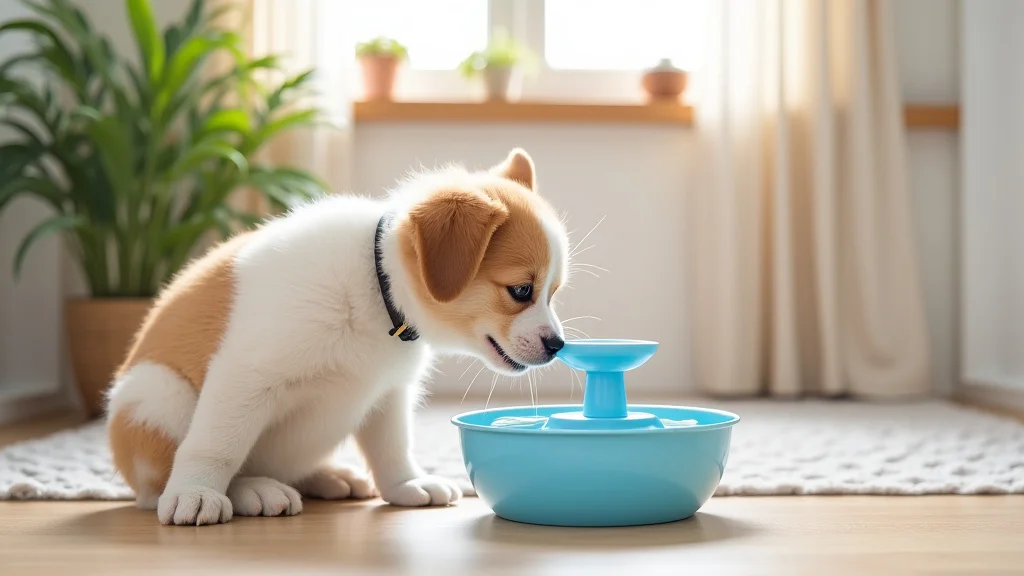
Picture this: It’s a scorching summer day, and you glance over at your furry companions, a panting dog and a slightly aloof cat, both looking a bit parched. You rush to fill their water bowls, but you know that fresh, flowing water is key to their health and happiness. Choosing the right water source for your pets can make a huge difference! This guide will explore everything you need to know about dog and cat water fountains, ensuring your pets stay hydrated and healthy. You’ll learn about different types, the benefits of using a fountain, and how to select the perfect one for your beloved animals, ultimately helping you make an informed decision and enhance your pets’ well-being.
Key Takeaways
- Water fountains encourage pets to drink more, preventing dehydration.
- Different types of fountains offer various filtration and cleaning systems.
- Material choices impact safety, durability, and ease of cleaning.
- Proper maintenance is crucial for fountain performance and pet health.
- Consider your pets’ needs, including size and activity level.
- Find the best fountain for your pet’s health and happiness.
Why a Dog and Cat Water Fountain Is a Smart Choice
Traditional water bowls, while functional, often fall short of meeting your pets’ hydration needs. Standing water can quickly become stale, attracting bacteria and even mold. Cats, in particular, can be picky about their water sources, often preferring moving water because it’s naturally more appealing to them. Dog and cat water fountains address these issues by providing a continuous flow of fresh, filtered water. This not only encourages your pets to drink more, but it also helps to keep the water clean and free of contaminants.
The Hydration Advantage
Ensuring that your pets stay properly hydrated is vital to their overall health. Dehydration can lead to a host of health problems, ranging from lethargy and fatigue to more serious conditions like kidney disease. By providing a constant source of clean, flowing water, a dog and cat water fountain significantly increases the likelihood that your pets will consume enough water. This is especially important for pets that eat dry food, which can dehydrate them more quickly than wet food. A fountain also helps with digestion, nutrient absorption, and maintaining healthy body functions.
- Improved Kidney Function: Adequate hydration supports the kidneys in removing waste.
- Enhanced Digestion: Water aids in breaking down food and absorbing nutrients.
- Increased Energy Levels: Hydrated pets have more energy to play and explore.
- Preventing Urinary Tract Problems: Frequent hydration helps flush out the urinary system.
- Better Skin and Coat Health: Proper hydration keeps the skin healthy and the coat shiny.
The Benefits of Filtration
Most dog and cat water fountains come equipped with filtration systems that remove impurities and improve water quality. These filters typically trap hair, debris, and other contaminants that can accumulate in a regular water bowl. The result is cleaner, fresher-tasting water that your pets will likely find more appealing. This is especially helpful if your tap water has a strong taste or odor. Regularly changing the filter ensures that your pets always have access to the best quality water possible.
- Activated Carbon Filters: These filters remove chlorine, odors, and organic compounds, improving taste.
- Mechanical Filters: These filters, often sponges or mesh screens, catch hair, food particles, and sediment.
- Multi-Stage Filtration: Many fountains have a combination of filters to provide the best water quality.
- Improved Water Taste: Filtered water simply tastes better, encouraging pets to drink more.
- Healthier Pets: Cleaner water reduces the risk of illness.
Material Matters: Choosing the Right Fountain
When selecting a dog and cat water fountain, the material it’s made from plays a significant role in its safety, durability, and ease of cleaning. Different materials offer different benefits, so choosing the one that’s right for you and your pets is very important. Think about durability and how long you want it to last. Think about cleaning, and whether you have the time and energy for different care regimens. Consider safety, and choose an option that won’t leach toxins into the water.
- Plastic: Plastic fountains are usually the most affordable option. They’re lightweight and come in a variety of designs, but they can be more susceptible to scratches and might leach chemicals over time.
- Stainless Steel: Stainless steel fountains are very durable, easy to clean, and resistant to bacteria buildup. They’re often a bit more expensive but provide a cleaner, safer option.
- Ceramic: Ceramic fountains look stylish and are naturally very heavy, which can prevent them from being knocked over. They’re also easy to clean, but they can be breakable if dropped.
- BPA-Free Plastics: If you choose a plastic fountain, make sure it is BPA-free. BPA can be harmful to pets.
- Consider the finish: Look for materials that won’t absorb odors or colors from the water.
Different Types of Dog and Cat Water Fountains
Dog and cat water fountains come in several different varieties, each with unique features and benefits. Understanding these different types will help you select the best one for your pets’ individual needs. From simple gravity-fed models to more advanced, electric-powered options, the choices are varied and each offers its own set of advantages. Consider your pets’ preferences, your home setup, and your lifestyle when making your decision.
Gravity-Fed Fountains
Gravity-fed fountains are a simple, no-power-needed choice. They work by having a reservoir that refills a bowl as your pet drinks. These fountains are a good choice if you want something simple and economical. Gravity-fed fountains require very little setup and are easy to maintain, however, they can be a bit more limited in terms of water filtration and overall capacity, which makes them a great option if you are on a budget.
- Easy to use: They work without electricity.
- Cost-effective: These are usually a more affordable option.
- Simple to maintain: They require minimal cleaning and upkeep.
- Limited filtration: These don’t typically have advanced filtration.
- Capacity: They can run out of water more quickly than other models.
Electric Fountains
Electric fountains are the most popular type of dog and cat water fountain. They use a pump to circulate water, usually through a filter, providing a constant flow of clean water. Electric fountains often have multiple features, such as replaceable filters and adjustable flow settings. They require a power outlet, but many models have low energy consumption. These can be more effective at removing contaminants and keeping water clean, which is a great benefit for your pet’s health and happiness. Their design is also generally more attractive than gravity-fed options.
- Enhanced filtration: Electric fountains offer better filtration.
- Continuous flow: They keep water flowing.
- Adjustable settings: Some models let you adjust the water flow.
- Require electricity: They need to be plugged into an outlet.
- Potential for maintenance: Pumps and filters need regular cleaning or replacement.
Smart Fountains
Smart fountains are the newest type of dog and cat water fountain. They come with smart features like app control, which can let you monitor water levels and send notifications when it’s time to refill or change the filter. Some smart fountains even have built-in timers or automatic refills. These fountains provide the most convenience but are also the most expensive option. They offer many features to provide the best possible care for your pet, and they also provide peace of mind to the owner.
- App-controlled: Control the fountain with a smartphone.
- Monitor water intake: Track how much your pet is drinking.
- Automatic alerts: Get notifications when water levels are low.
- Higher cost: They are typically the most expensive.
- Require setup: They may need to connect to your home’s Wi-Fi network.
Maintenance and Cleaning for Dog and Cat Water Fountains
Proper cleaning and maintenance are key to keeping your dog and cat water fountain working well and providing clean water for your pets. Neglecting these tasks can lead to the build-up of bacteria, algae, and other contaminants that can make your pets sick. Establishing a regular cleaning schedule and following the manufacturer’s instructions will ensure your fountain lasts longer and that your pets enjoy fresh, clean water every day. Regular upkeep also ensures a longer lifespan for your fountain.
Daily Cleaning
Simple daily cleaning tasks will help keep your fountain running at its best. Daily cleaning should include refilling the water and checking for any visible debris or buildup. Inspect the fountain’s surface for any food particles, hair, or other things that may have accumulated. This is a very simple task that takes only a few minutes each day, and it helps ensure the fountain is providing clean water. It’s a good idea to perform these simple steps at the same time you feed your pets. This will help you establish a routine.
- Check water level: Make sure the water level is adequate.
- Rinse the bowl: Quickly rinse the bowl to remove loose debris.
- Inspect the pump: Ensure the pump is working correctly.
- Quick Wipe Down: Wipe down the exterior surfaces of the fountain.
- Observe your pet: Watch for any changes in their behavior.
Weekly Cleaning
Weekly cleaning involves more thorough cleaning to prevent the buildup of bacteria and other contaminants. You’ll need to disassemble the fountain, wash all parts with warm, soapy water, and rinse them thoroughly. Pay special attention to the pump and filters, as these parts can harbor bacteria and slime. This will keep the fountain running cleanly and efficiently. The frequency of the weekly cleaning can depend on the type of fountain and the number of pets.
- Disassemble the fountain: Take the fountain apart completely.
- Wash components: Wash all parts with warm, soapy water.
- Rinse thoroughly: Make sure there’s no soap residue.
- Clean the pump: Use a brush to clean the pump parts.
- Replace filters: Change the filters as recommended by the manufacturer.
Filter Replacement
Regular filter replacement is very important for maintaining water quality and the effectiveness of your dog and cat water fountain. The filters collect dirt, hair, and other debris, and over time they become saturated. Replacing the filters every few weeks, or according to the manufacturer’s directions, ensures that the water remains clean and free of impurities. This also protects the pump from getting clogged. It’s also wise to keep a supply of replacement filters on hand, so you can always change the filter when necessary.
- Follow the instructions: Follow the manufacturer’s guidelines for your fountain.
- Frequency: Most filters need to be replaced every 2-4 weeks.
- Monitor the water quality: Check the water quality and change the filter when needed.
- Purchase replacements: Keep replacement filters available.
- Maintain the pump: Regular filter replacement helps keep the pump running efficiently.
Choosing the Right Fountain for Your Pet’s Needs
The best dog and cat water fountain is the one that best suits your pets’ specific needs and preferences. Consider factors such as your pet’s size, age, activity level, and the number of pets you have. A small kitten may require a different type of fountain than a large, active dog. Tailoring your selection to your pets’ individual characteristics will increase the likelihood that they’ll use the fountain and stay properly hydrated. Think about the style of the fountain as well.
Size and Capacity
The size and capacity of your fountain should match the needs of your pets. For multiple pets or large breeds, you’ll need a fountain with a larger water capacity to make sure there’s enough water available. Smaller pets or those who drink less may do well with a smaller fountain. The capacity will also need to suit your lifestyle. If you travel often or prefer to refill the water less frequently, you’ll need a fountain with a larger reservoir. Select a size that fits the amount of water your pet will need.
- Small breeds: Look for smaller fountains with 1-2 liter capacity.
- Large breeds: Choose fountains with 3-4 liter capacity.
- Multiple pets: Consider a larger fountain or multiple smaller ones.
- Water consumption: Assess your pet’s water intake.
- Your lifestyle: Take into consideration how often you’ll be able to refill the fountain.
Material and Design
The fountain’s design should be both functional and appealing to your pets. Some pets may prefer a fountain with a bubbling water feature, while others may prefer a quieter stream. The material is also important, as we discussed previously, and it can impact the fountain’s durability and ease of cleaning. Consider the fountain’s appearance, too. Make sure it fits with your home decor. Many fountains come in colors and styles that are designed to complement your home.
- Water flow: Choose a fountain with a water flow that matches your pet’s preferences.
- Bubbling vs. Still: Some pets prefer a bubbling fountain while others prefer a gentle stream.
- Material: Stainless steel or ceramic are generally good choices.
- Easy to clean: Look for designs with easy-to-clean components.
- Aesthetic: Choose a design that fits with your home.
Noise Level
The fountain’s noise level may be a factor, especially for cats, which can be sensitive to sound. Some fountains can make a humming sound, or they might make splashing noises. Quiet fountains are generally better, as they won’t scare your pets away. Consider whether you or your pets will find the sound of the fountain annoying or distracting. Check online reviews to get feedback on the noise level of different fountain models. Try to choose a model that provides fresh water without making too much noise.
- Read reviews: Look for customer feedback on noise levels.
- Quiet pumps: Look for fountains that use quiet pumps.
- Water flow: A gentle, consistent stream is usually quieter.
- Placement: Place the fountain away from sleeping areas if necessary.
- Test it out: If possible, test the fountain before buying.
Dog and Cat Water Fountain: Real-Life Examples and Statistics
The benefits of a dog and cat water fountain aren’t just theoretical; they are backed by real-life examples and stats. Observing the effects in practice provides a clear picture of how these fountains can positively affect your pet’s health and well-being. These real-life stories and data points demonstrate the importance of providing a clean and easily accessible water source.
Example 1: A family with a senior dog was struggling to get their dog to drink enough water. The dog was starting to develop kidney problems. The family decided to buy a fountain to encourage the dog to drink more. Within a few weeks, the dog’s water intake increased significantly, and the dog’s kidney health improved. The vet was very pleased with the dog’s progress, and the owners saw a clear difference in the dog’s energy level.
Example 2: A cat owner noticed that her cat, who was a picky eater, wasn’t drinking much water. After installing a fountain, the cat started drinking more water. The cat’s owner said that the cat became more energetic and that the water fountain made a difference to the health of the cat.
Example 3: A busy professional found that a fountain made maintaining the proper hydration of his pets easy. He chose a smart fountain that alerted him when the water level was low and when it was time to change the filter. The smart fountain gave him the peace of mind he needed while he was working.
| Statistic | Source |
|---|---|
| Studies show that pets with access to a water fountain drink up to 50% more water compared to those with traditional bowls. | American Animal Hospital Association |
| Kidney disease is a common problem in older cats; adequate hydration is key to managing the condition. | Veterinary Centers of America |
| In a survey, 78% of pet owners reported that their pets were more interested in drinking from a fountain than from a bowl. | PetMD |
Common Myths Debunked
Misconceptions about dog and cat water fountains can prevent pet owners from providing the best care for their pets. Let’s look at some common myths and set the record straight.
Myth 1: Water fountains are hard to clean.
While some older fountain models may have been difficult to clean, most modern fountains are easy to disassemble and clean. With regular cleaning, maintaining a fountain is similar to cleaning a traditional bowl. Many models have dishwasher-safe parts, further simplifying the cleaning process. As discussed previously, there are many cleaning routines, depending on the model you buy.
Myth 2: My pet doesn’t need a fountain; a regular bowl is enough.
While a regular bowl is better than nothing, it may not meet your pet’s hydration needs. Traditional bowls may not encourage your pet to drink enough. Fountains encourage your pets to drink more and provide cleaner water, which is particularly beneficial for pets on dry food diets. Fountains encourage a more consistent level of water intake, which helps to keep your pet healthy.
Myth 3: Water fountains are expensive to maintain.
While there is an initial cost associated with purchasing a water fountain, the long-term maintenance costs are generally low. The cost of replacement filters is usually very reasonable, and the benefits to your pet’s health will outweigh the minor expense. Most models have low energy consumption. The energy used by a fountain is similar to that of a night light.
Myth 4: Fountains are only for cats.
Fountains are beneficial for both cats and dogs. The continuous flow of water encourages both species to drink more. The added filtration provided by many fountains removes bacteria and keeps the water fresh. A fountain will make both dogs and cats healthier and happier. As we discussed earlier, make sure you choose a fountain suited to the size of your pet.
Myth 5: All fountains are the same.
There is a wide variety of dog and cat water fountains available, and they are not all the same. There are fountains made of different materials, of different sizes, and with different features. Some have multiple filtration stages, and some have special water flow styles. Smart fountains provide even more features, such as remote control and alerts. This means that you can easily find a fountain that meets the needs of your pets.
Frequently Asked Questions
Question: How often should I clean my dog and cat water fountain?
Answer: It’s generally recommended to clean your fountain at least once a week, and sometimes more often, especially if you have multiple pets or the water quality in your area is poor.
Question: Are water fountains safe for pets with sensitive teeth or gums?
Answer: Yes, in general. The materials used in most fountains are safe and the filtered water is gentle, but it is always wise to consult with your veterinarian if you have any special concerns about your pet’s health.
Question: How do I know when to replace the filter?
Answer: Most fountains come with a filter replacement schedule, or the manufacturer will recommend a replacement schedule. You may also notice the water flow slowing down, which is a good indication that you need to change the filter.
Question: Can I use tap water in my pet’s water fountain?
Answer: It is generally safe to use tap water. However, if your tap water has a lot of chlorine or other contaminants, you may consider using filtered water in the fountain. It’s always a good idea to monitor the water quality and your pet’s drinking habits.
Question: Are there any specific types of water that should not be used in a fountain?
Answer: Avoid using distilled water, as it lacks essential minerals that are beneficial for your pet. Also, be careful about adding anything to the water, such as medications, unless specifically advised by a veterinarian.
Final Thoughts
Providing your pets with a dog and cat water fountain is a simple yet powerful way to improve their health and well-being. By ensuring a constant supply of fresh, filtered water, you’re encouraging your furry friends to stay hydrated and promoting a healthier lifestyle. From the different types of fountains available to the materials and maintenance involved, choosing the right fountain is easier when you have the right information. Remember that a well-maintained fountain not only provides clean water, but also encourages your pets to drink more, preventing dehydration and supporting their overall health. Make an informed decision, prioritize your pets’ needs, and give them the gift of fresh, flowing water. Your pets will thank you with plenty of happy purrs and tail wags!